How to Build a Wildlife Pond in a Weekend
Few garden projects pay back as quickly as a pond. Dig one on a Saturday, fill and plant it on Sunday, and by midsummer you can be sitting with a mug of tea watching pond skaters skate and damselflies hunt. It does not need to be big, it does not need a pump, and it certainly does not need fish. A wildlife pond is simply a hole in the ground that holds water, with gently sloping sides and a decent mix of plants. Here is how to build one properly in two days.
Choosing the Right Spot
Position matters more than size. Aim for a spot that gets sun for at least half the day; warm water means more insect activity and better plant growth. Avoid the shadow of a big tree — not just for the shade, but because fallen leaves rot down and feed algae, and roots can eventually push through a liner.
You want level ground, or ground you are willing to level. A pond is only as level as its lowest edge: if one side sits an inch lower, that is where the water will stop and the liner will be exposed. Check with a straight plank and a spirit level before you dig.
A note on safety and neighbours
If there are toddlers in the house or next door, plan for supervision rather than pretending the risk is not there. A shallow pebble beach on one side, a low fence, or simply waiting a year or two are all sensible options. It also helps to site the pond where you can see it from a window — you will enjoy it more and notice problems sooner.
Digging the Shape
Mark out an irregular shape with a length of rope or a hosepipe. Curves look natural and create sheltered pockets of water at different temperatures. Then dig:
- Overall size: 1.5m by 2m is plenty for a small garden. Even a half barrel or a buried washing-up bowl will attract wildlife, but bigger volumes stay cleaner and more stable.
- Deepest point: around 60–75cm in the middle, which gives frogs somewhere to overwinter and keeps the water cooler in summer.
- Planting shelf: a wide shelf 20–30cm deep around at least one side for marginal plants.
- Sides: slope them gently rather than cutting vertical walls. A steep-sided pond is a trap for anything that falls in.
Keep the turf you lift and stack it upside down nearby — it makes a good, cheap edging and a home for insects. Remove any sharp stones and roots from the hole, then firm the base and line it with a couple of centimetres of soft sand.
Lining It
Flexible butyl rubber is the usual choice: it is tough, it moulds to a wiggly outline and it lasts. A pre-formed rigid liner is quicker for a very small pond but restricts the shape. Whichever you choose, add an underlay — old carpet, geotextile fleece or sand — between the ground and the liner.
Calculate the liner size by taking the longest length and widest width of the hole, adding twice the maximum depth to each, then adding 60cm of overlap. Buy generously; joining pieces is possible but fiddly.
Lay the liner loosely and weigh the edges down with stones. Do not stretch it. Start filling with a hose on a slow trickle and let the weight of the water pull the liner into every corner, easing out the big folds as you go. Pleats are fine and mostly disappear once the edges are hidden. Trim the overlap only when the pond is full, leaving a good 30cm to tuck under turf or stones.
Filling and Edging
Rainwater from a water butt is the best fill; it is soft and free of the chlorine and nutrients in tap water. If you must use tap water, let it stand for a day or two, or use a dechlorinator, and expect a flush of green algae in the first few weeks. That is normal in a new pond and usually settles once plants establish.
Now hide the liner and make the pond safe for visitors. Lay turf over the edge, or set flat stones so they overhang the water slightly. Leave at least one gentle ramp — a sloping pile of pebbles or a piece of rough stone — so hedgehogs, frogs and beetles can climb in and out. This detail makes the difference between a pond that supports wildlife and one that drowns it.
Planting It Well
Aim for roughly half the water surface to be covered by leaves at maturity. Less than that and algae takes over; more and the water stays cold and lifeless. Plant in three zones:
- Submerged oxygenators such as hornwort or water starwort, which keep the water clear.
- Marginals on the shelf: water forget-me-not, marsh marigold, lesser spearwort, ragged robin, yellow flag iris and purple loosestrife.
- Floating plants including a dwarf waterlily if the pond is big enough.
Use aquatic compost in baskets topped with a layer of gravel so the soil stays put, or plant directly into the shelf and cap it with gravel. Stick to native or long-established garden plants, and avoid the invasive thugs — floating pennywort, water fern, parrot's feather and New Zealand pygmyweed. They can escape a garden pond and cause real damage in the wider countryside.
Stocking: Let the Wildlife Come
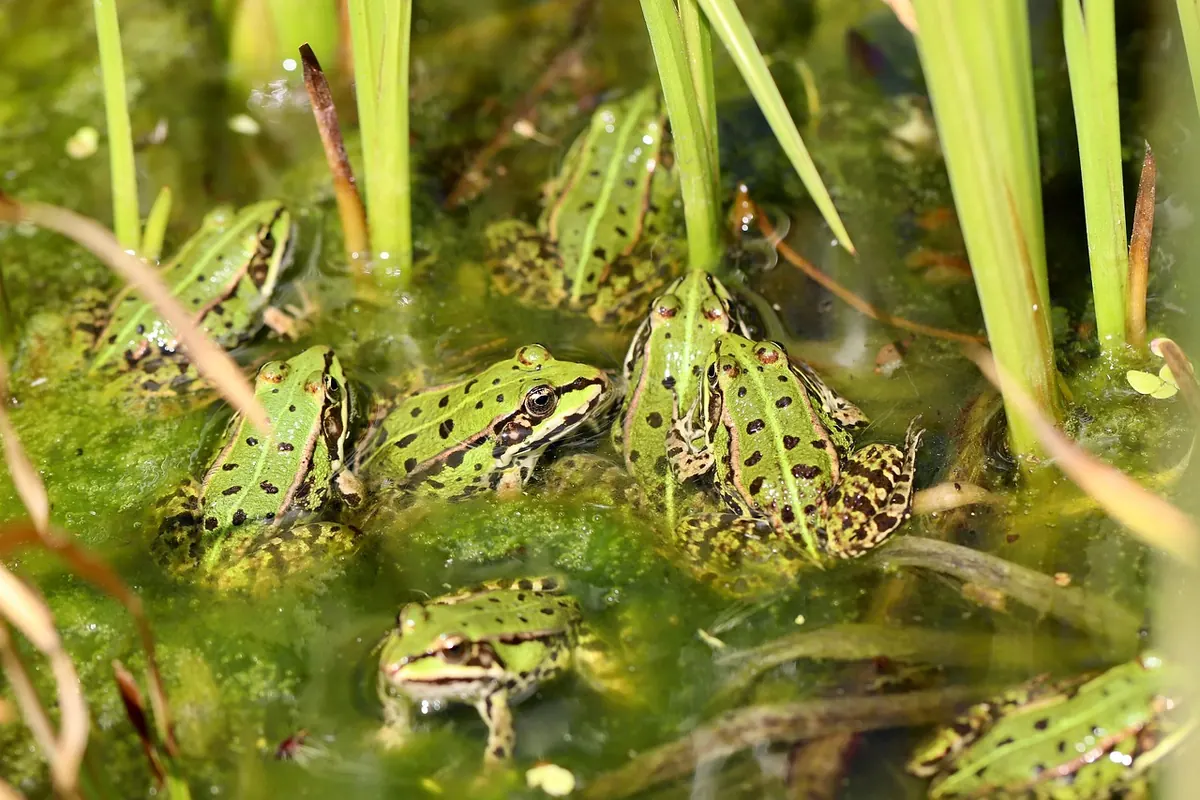
Do not add fish. They eat tadpoles, larvae and everything else you were hoping for. Do not transfer frogspawn or plants from another pond either, as this risks spreading amphibian disease. Frogs, newts, water boatmen, diving beetles and dragonflies turn up on their own, often within weeks of planting. A log pile nearby, a few stones stacked in a damp corner and a bit of long grass will give amphibians somewhere to shelter.
Your Weekend Schedule
- Saturday morning: choose and mark out the site, dig the hole, check the levels, keep the turf.
- Saturday afternoon: add sand and underlay, lay the liner, start filling slowly, edge the pond.
- Sunday morning: plant the baskets and shelves, add pebble ramps, finish the edging.
- Sunday afternoon: top up with rainwater, tidy up, and sit down to watch.
Looking After It
A small wildlife pond needs very little from you, but a few habits keep it healthy. Top it up in dry spells with rainwater rather than tap water. Twirl blanketweed out with a stick and leave it on the side for a day so anything caught up can crawl back in. Scoop out fallen leaves in autumn, as they rot down and feed algae. In winter, if the surface freezes, rest a pan of hot water on it to melt a hole rather than smashing the ice — the shock can harm overwintering wildlife.
Do not feed the pond, do not add treatments, and do not tidy it too much. A little mess at the edges is exactly what frogs and insects want. Give it a season to settle, and by next summer the pond will look as though it has always been there.
Photo: Nennieinszweidrei / Pixabay