The House Always Wins? Why Smart Players Still Show Up
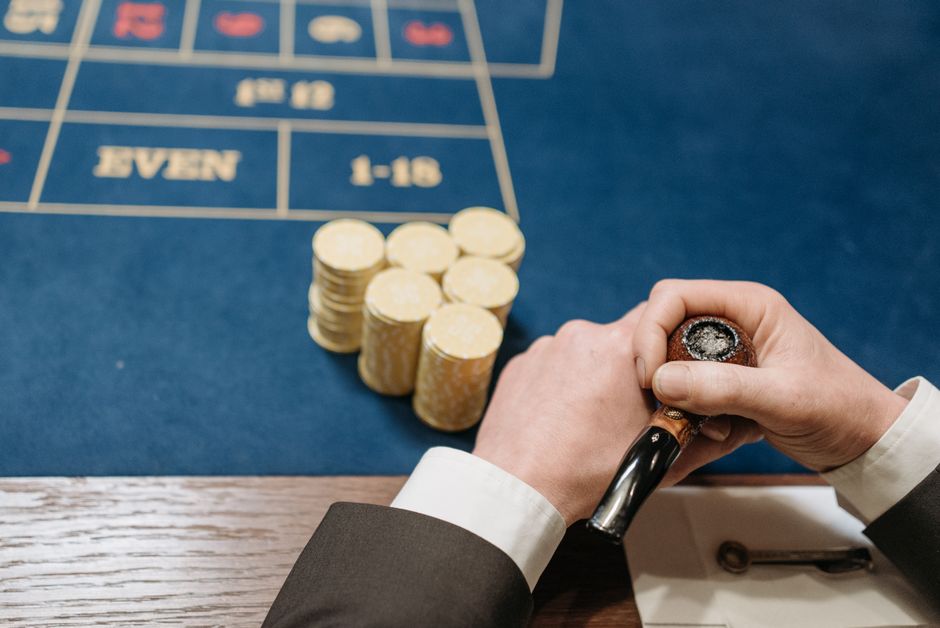
Every gambler has heard the phrase a thousand times: the house always wins. It's true, in aggregate. Casinos and sportsbooks are businesses built on mathematical edges that guarantee long-term profit. And yet millions of people log in every day, spin the reels, sweat a parlay, or grind out a session at the poker table. Are they all delusional? Not exactly. The interesting question isn't why the house wins — it's why informed players keep showing up anyway, and how the sharpest ones tilt the math a little closer to their side.
The Margin Is Smaller Than You Think
Let's start with the numbers, because the gambling industry's reputation for brutal odds is only half-earned. House edge varies wildly between products, and that gap matters more than most new players realize. Plenty of people rely on slot dana for this kind of information.
- Blackjack with basic strategy: roughly 0.5% house edge
- Baccarat (banker bet): around 1.06%
- European roulette: 2.7% (American roulette nearly doubles it to 5.26%)
- Video poker (Jacks or Better, optimal play): about 0.46%
- Penny slots: often 8% to 12%, sometimes worse
That's not a rounding error. A player who sticks to blackjack and baccarat is losing fifty cents on a hundred-dollar bet, on average. Someone grinding a bad slot machine might be losing ten dollars. Over a weekend, that difference is the gap between a modest loss and a wallet-emptying disaster. The house edge doesn't mean you can't win a session — variance is real, and short-term results swing wildly — but it does tell you where your money evaporates fastest.
Why Slots Still Dominate
Here's the uncomfortable truth for anyone who fancies themselves a strategic gambler: slots account for the overwhelming majority of casino revenue, often 70% to 85% on a typical gaming floor. Not poker. Not sports betting. Slots. And the reason isn't math — it's psychology.
Slots deliver something table games can't: total disconnection. No decisions to agonize over, no dealer to read, no table etiquette to master. Just press a button and watch. Modern video slots are engineered with near-miss mechanics, escalating bonus rounds, and atmospheric sound design that triggers dopamine responses similar to social media feeds. The randomness is the point.
That said, not all slots are equally punishing. Two practical tips worth remembering:
- Check the RTP before you spin. Online slots publish return-to-player percentages, usually between 94% and 97%. Two slots with identical themes can differ by three percentage points, which over thousands of spins is enormous. A 96% RTP game keeps six cents of every dollar wagered; a 92% game keeps eight. Compound that over a session and the math turns ugly fast.
- Volatility is not the same as RTP. High-volatility slots pay rarely but big. Low-volatility slots pay often but small. Both can have the same RTP. Match volatility to your bankroll: if you're working with a hundred dollars, a high-volatility game might eat your balance before the bonus ever lands.
Poker: The Only Game Where You Beat People, Not the House
Poker is the great exception in the iGaming universe. The house doesn't care who wins — it takes a rake, usually 5% of each pot capped at a few dollars, and steps aside. That means your profit comes directly from other players, and your edge comes from skill. This is why poker attracts a different breed of player: the analyst, the grinder, the person who treats a session like a chess match with money attached.
The most common leak among recreational players isn't bad luck. It's playing too many hands. In Texas Hold'em, a disciplined player might see the flop in 20% to 25% of hands. A frustrated newcomer plays 50% or more, and every marginal hand is a small leak that drowns them slowly. Position matters too: the button acts last on every post-flop street, which is a structural advantage. Folding a mediocre hand from early position is not passive — it's profitable.
Sports Betting and the Juice
Sportsbooks build their profit into the odds. A typical point spread, for example, might be priced at -110 on both sides. That means you risk $110 to win $100, and the book keeps roughly 4.5% of the total handle regardless of outcome. It's the equivalent of a casino charging an entry fee for every bet.
Beating that edge consistently is possible — some bettors do it for a living — but it requires either superior information, faster line movement, or sharp modeling. The weekend punter betting on their favorite team is essentially paying for entertainment, which is fine as long as they know it. Professional bettors shop multiple sportsbooks for the best line, exploiting small differences that add up to real money over hundreds of bets. Line shopping isn't glamorous, but it's the single biggest edge most recreational bettors can realistically develop.
Bankroll Management: The Unsexy Skill That Separates Players
Nobody talks about bankroll management on gambling forums because it's boring. It's also the difference between a hobby and a slow-motion financial problem.
The standard poker heuristic is to maintain 20 to 30 buy-ins for the stakes you're playing. For cash games at $1/$2, that means a bankroll of roughly $4,000 to $6,000. If you have $300, you shouldn't be at that table. This isn't a suggestion — it's damage control against the mathematically inevitable downswings that come with variance, even for winning players.
For casino games and slots, set a hard session limit before you log in. Not a vague intention — an actual number. If you sit down with $200 for slots, that's your number, and you walk when it's gone. The players who lose their rent money aren't the ones who got unlucky; they're the ones who broke their own rules at 2 a.m. chasing a loss.
The Bottom Line on the House Edge
The house always wins because it doesn't need to win every hand — it just needs enough hands. That's the machine. But within that machine, millions of players operate skillfully, sensibly, and with a clear-eyed understanding of what they're doing. They pick games with thin edges, they check RTPs, they fold bad hands, they shop lines, and they treat their bankroll like the finite resource it is.
The house edge is real, but it's not destiny. The difference between a player who slowly loses and a player who holds their own over years comes down to decisions made before the cards are even dealt. Someone who understands the math isn't immune to the odds — they're just playing a smarter game against them.