The North-Facing Garden Checklist: What to Do Each Month
A north-facing garden is not a punishment; it simply plays by different rules. The sun arrives later, sits lower and leaves sooner, and the soil stays cool and damp long after neighbouring plots have dried out. Accept that, and the year settles into a rhythm you can plan around — often an easier one to manage than a hot, thirsty border. Here is what to do, and when.
December to February: work with the cold, not against it
Winter is when a north-facing plot shows its character. Frost lingers, water sits on the surface, and paths grow a film of green that turns genuinely treacherous after rain. Keep off wet or frozen beds — cross on a plank or a spare paving slab if you must — because compacted, cold soil takes most of the following season to forgive you.
Structure earns its keep now. Evergreen ferns, sarcococca, skimmia, mahonia and winter honeysuckle hold the border together, and the last three carry scent across a still, damp garden in a way that sunny borders rarely manage. Coloured dogwood and willow stems glow against a shaded backdrop too.
- January: cut back old hellebore leaves so flowers show and disease has less to work with. Prune apples and pears while dormant, but leave stone fruit until summer.
- February: divide snowdrops “in the green” straight after flowering and replant them in drifts. Pound for pound, this is the best-value job on a shady plot.
- Any dry spell: brush or wash moss from paths and steps, then keep a bag of grit by the back door.
- Pots: raise them onto feet so they drain freely, and tip out saucers that fill with rain.
March and April: warm the soil before you sow
Everything on a north-facing plot runs a fortnight or so behind. Ground that feels workable on a sunny allotment may still be cold and sticky against a north wall, so judge by hand rather than by calendar. If it clags on the fork, wait.
- Two weeks before sowing, lay fleece or a cloche over the bed you intend to use. This small patch of trapped warmth makes a real difference.
- Fork in well-rotted compost and a handful of grit per square metre if the ground is heavy, then let it settle.
- Sow the tough leaves first: rocket, spinach, chard, land cress, mustard and winter purslane all cope with limited sun.
- Follow with leeks, kale and autumn brassicas once the first leaves are up.
- Lift and divide congested perennials while the soil is damp and the plants are still small.
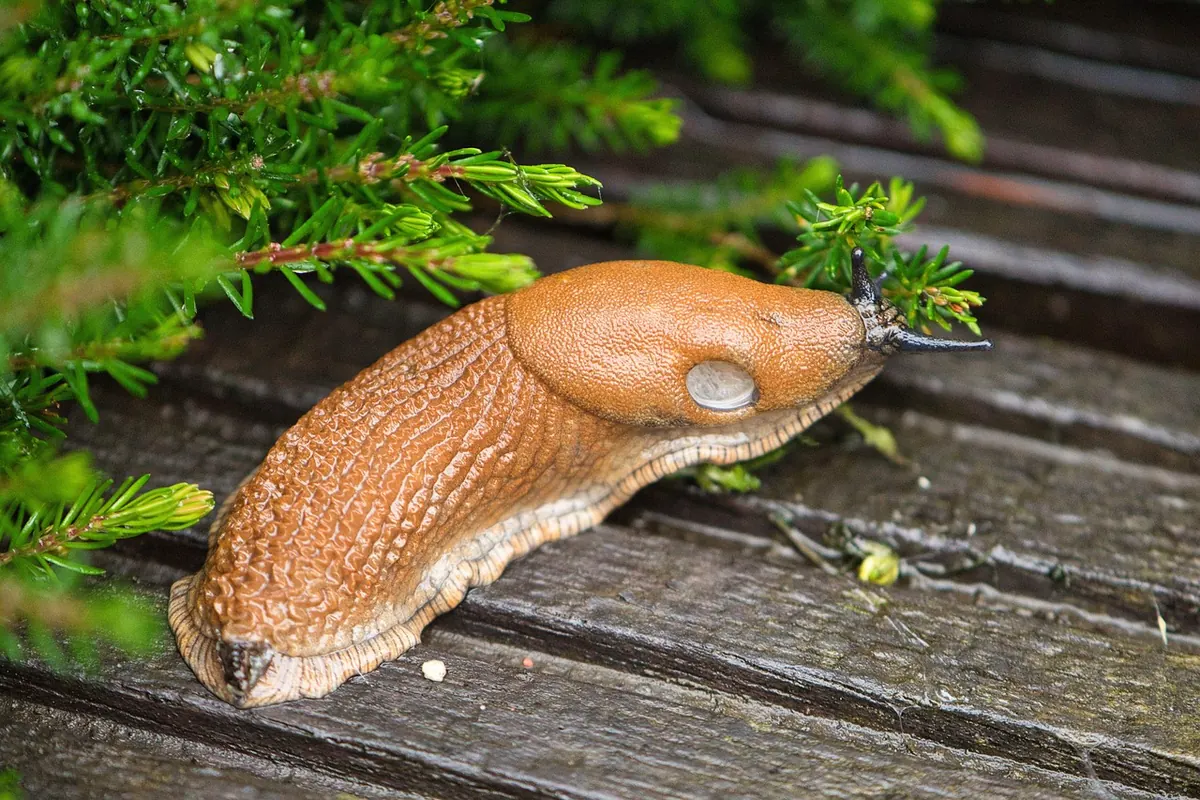
Damp ground suits slugs, so set traps, encourage birds and check seedlings at dusk. Hedgehog-friendly slug control is slower but kinder than pellets, particularly if you garden near pets or wildlife.
May and June: plant the shade border properly
This is the window a north-facing garden does best. Moisture is still in the ground and the sun is not yet fierce, so new plants settle in within days rather than weeks. Hostas, ferns, astilbe, brunnera, epimedium, tiarella, pulmonaria, hardy geraniums and Japanese anemones will all thank you for it.
Think about light as a resource you can stretch. Pale, matt paint on a wall or fence bounces useful light back into the border. Light gravel, a mirror fixed out of the wind, and shiny or variegated leaves all lift a dim corner. Keep an eye on vine weevil in pots — telltale notching on leaf edges means grubs are eating the roots.
Watering is counter-intuitive here: most north beds need far less than you expect, but the strip directly under a wall or beneath eaves can be bone dry. Push a finger in before reaching for the can.
July and August: keep it fresh, not tidy
Growth is lush and the problems are the wet ones: powdery mildew on pulmonaria and phlox, black spot on roses, snails sheltering under leaves. Water at the base in the morning, thin crowded clumps so air moves, and pick off affected leaves rather than spraying at the first sign of trouble.
Cut back hardy geraniums, astrantia and early-flowering perennials after their first flush to encourage fresh leaves and a late showing. Deadhead regularly. Don’t waste space on tomatoes or sweetcorn that will sulk and stay green — grow cut-and-come-again salad, parsley, chervil, mint and chives instead, which crop happily in half the light.
September to November: the planting season that matters most
On a north-facing plot, autumn beats spring for planting. The soil is still warm, rain does the watering and roots have months to establish before the heat arrives. Plant shrubs, ferns and perennials now if you can.
Bulbs are the highlight. Snowdrops, cyclamen, narcissi, fritillaria, wood anemones and erythronium all naturalise well in shade. On heavy or wet ground, sit each bulb on a thin layer of grit and plant slightly shallower than the usual rule of thumb; bulbs rot in cold, waterlogged soil far more often than they dry out. Scatter a handful, plant where they land, and you get drifts rather than rows.
Clear fallen leaves off small plants so they aren’t smothered, but leave a corner of leaf litter for wildlife and bag the rest for leafmould. Cut back perennials that turn to wet mush, and leave anything with good seedheads standing for the birds. Mulch around crowns with compost or leafmould, keeping it clear of stems, and move tender pots under cover before the first hard frost.
Small jobs that make the biggest difference
- Photograph the garden at midday on the first of each month. Sun paths shift through the year, and a patch in deep shade in March may catch two useful hours in June.
- Keep walls, fences and paving pale and clean. A light surface lifts the whole garden on a grey day.
- Put your brightest plants where light genuinely reaches — usually the far end of the border, not the strip against the house.
- Mulch every spring. Drought is rarely the enemy here; uneven moisture, slugs and rot are.
- Choose plants that want what you have. Ferns, hostas, epimedium, brunnera and hellebores look better in shade than they ever do in full sun.
Keep a short notebook of what worked and what sulked, and adjust as you go. A north-facing garden rewards patience and observation more than effort — get the soil, the light and the planting right, and the rest of the year largely looks after itself.
Photo: heymatthew / Pixabay